AIRBORNE PERCEPTION SYSTEMS
By integrating a tailored suite of exteroceptive sensors, from cameras and LiDARs to radars and RF ranging systems, selected to match the specific mission and environment, our systems enable platforms to perceive, interpret, and react to their surroundings without relying on external infrastructure.
The core of our value proposition lies in the team's deep expertise in sensor fusion, GNSS-independent navigation, and augmented situational awareness, combining raw measurements and derived estimates to extract reliable, high-fidelity information even in the most challenging operational scenarios. Our algorithms are designed to remain effective where conventional navigation falls short, whether in urban canyons, low visibility environments, or any setting where satellite signals are degraded or denied.
Beyond navigation, our onboard perception layer supports a broad range of mission-critical functions, from obstacle detection and avoidance to cooperative awareness across multi-platform systems. Engineered for adaptability, our solutions scale across a wide spectrum of platforms and use cases, from small UAS operating in complex environments to manned aircraft requiring enhanced autonomy in low-visibility or infrastructure-poor conditions.

Navigation
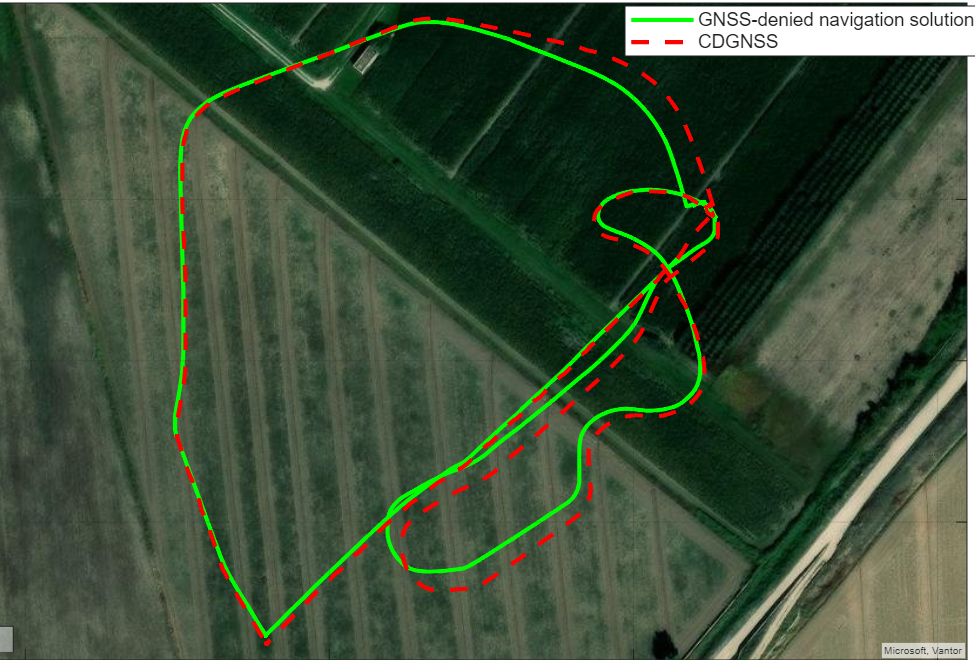
Autonomous flight, precision landing, and operations in low-visibility conditions are the primary applications of our navigation solutions. We enable aircraft and drones to maintain safe and reliable operations even when satellite-based positioning cannot be relied upon.
Swarming
Coordinated multi-drone systems open the door to applications such as distributed sensing, mapping, and collaborative mission execution. We enable fleets of autonomous platforms to operate as a resilient system rather than as isolated vehicles.
Augmented Airborne Awareness and Detect and Avoid
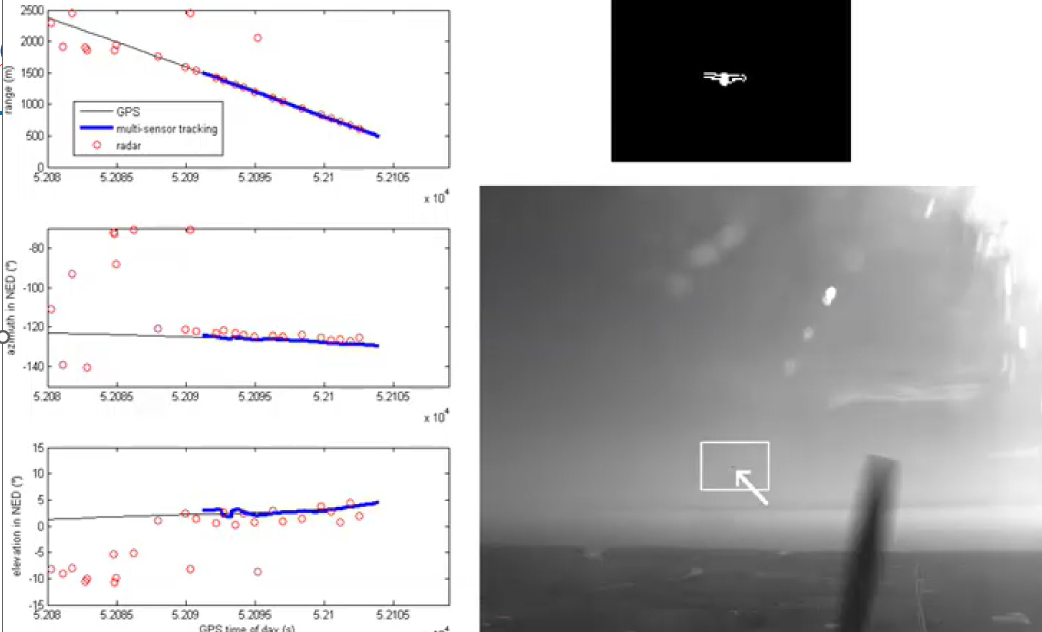
Traffic awareness and obstacle avoidance are becoming essential for operating in increasingly congested skies. We provide the perception layer needed to support safe autonomous operations and future U-Space services, including detection and tracking of non-cooperative drones to prevent unauthorized incursions into controlled airspace.